

Pain & Addiction

Long-term solutions to combating the opioid crisis will depend upon the development of novel and safer, next-generation therapies to treat both pain and addiction. To get these new innovations to the patients whose lives depend on them, the policy and regulatory environment keeps pace with advances happening in the lab.

The Future Rest on Three Legs
DNA Molecule

1. Advance our understanding of the biology of pain and addiction to enable the development of innovative treatments for pain and addiction and ensure appropriate and optimal use of existing therapies

  • Support a more comprehensive understanding of the preclinical pain and addiction environment

  • Support investment in research at National Institutes of Health (NIH) and other major centers focused on the biology of pain and addiction

2. Ensure patients suffering from pain or addiction are able to receive the right treatment at the right time with the right support, without stigma

  • Remove coverage and reimbursement barriers that are preventing patient-centric decisions about and access to the most effective treatments for pain and addiction

  • Advance implementation of and adherence to laws and regulations protecting and promoting access to resources for comprehensive pain and addiction treatment

Patient Suffering
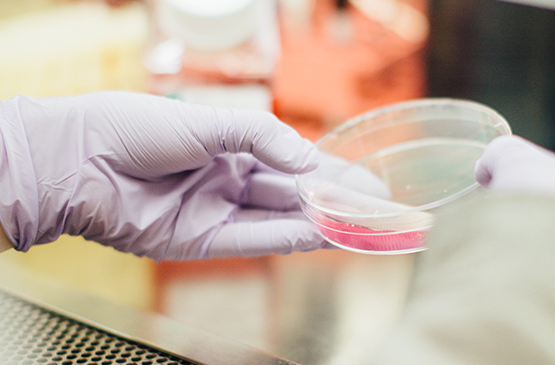
Researcher in a Lab

3. Stimulate research & development (R&D) of innovative treatments that effectively treat pain and opioid addiction and prevent abuse

  • Increase leadership engagement, expertise, and resources within the FDA & DEA to promote effective and efficient review of innovative treatments for pain and addiction

  • Modernize and streamline drug development and review processes to enable effective and efficient drug development and review, and stimulate investment in innovation

  • Establish and utilize expedited approval pathways and other incentives to stimulate innovation

Press Releases
February 5, 2026
WASHINGTON, D.C. – John F. Crowley, President and CEO of the Biotechnology Innovation Organization (BIO), released the following statement on the reintroduction of the bipartisan Pioneering Antimicrobial Subscriptions to End Upsurging Resistance (PASTEUR) Act:"The introduction of the PASTEUR Act of…
February 3, 2026
WASHINGTON, D.C. –  John F. Crowley, President and CEO of the Biotechnology Innovation Organization (BIO) released the following statement.“The passage of the Mikaela Naylon Give Kids a Chance Act is a bipartisan victory for children and families living with rare diseases. We thank the bill’s…
February 2, 2026
Washington, D.C. (February 2, 2026) -- The Biotechnology Innovation Organization (BIO) today named Joe Franklin, JD, PhD, as its new chief legal and policy officer. Franklin brings deep expertise in the biomedical sector across law, policy, AI, and digital health. As a member of BIO’s senior…
Letters, Comments & Testimony
April 11, 2022
On Monday, April 11th, BIO also submitted comments in response to the CDC’s recently published Clinical Practice Guideline for Prescribing Opioids. In the comments submitted, BIO primarily requested that the CDC revise its language referencing naloxone to be consistent with more general and product…
April 11, 2022
On Monday, April 11th, BIO submitted comments in response to the FDA’s recent draft guidance on the Development of Non-Opioid Analgesics for Acute Pain. In the comments submitted, BIO reaffirmed its commitment to working with the Agency to achieve its stated priority of “fostering the development…
November 18, 2019
Biotechnology Innovation Organization (BIO) comments on the FDA docket, Standards for Future Opioid Analgesic Approvals and Incentives for New Therapeutics to Treat Pain and Addiction. BIO also believes that risks associated with opioid therapies can be surmounted through further…
Become an Advocate for Biotechnology

Sign-up to join BIOAction, BIO's grassroots advocacy program. You will be notified about relevant policy issues where we need you to contact your lawmaker.